DIY Air Duct Cleaning: What's Realistic and What Isn't
You can do more for your ducts than you might think, and less than some kits promise. A realistic guide to DIY duct care and where a professional cleaning fits.
Search for "clean air ducts yourself" and you'll find brush kits, drill attachments and videos promising professional results with a shop vacuum. Some of the advice is good. Some of it oversells what a homeowner can reach. Here's a realistic look at what you can do on your own in a Northglenn home, what's difficult without the right equipment, and how to decide whether you need a professional cleaning at all.
What you can do well yourself
These steps are low-risk, inexpensive and make a real difference over time:
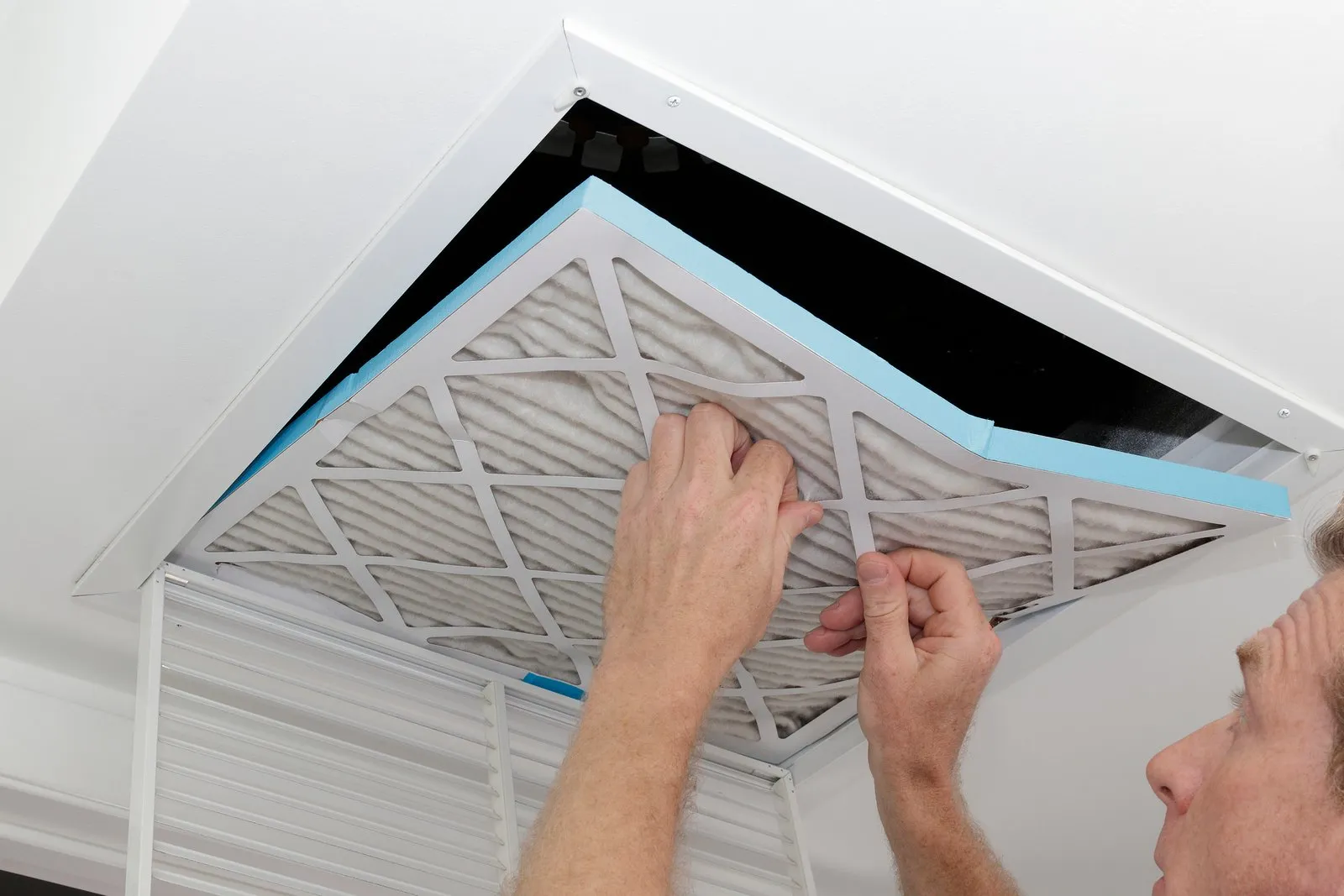
Change the HVAC filter on schedule. This is the single most useful thing you can do. The EPA recommends using the highest-efficiency filter your HVAC system's manufacturer allows, changing it regularly and making sure there are no gaps around the filter.
Clean registers and grilles. Most supply registers lift out or come off with a couple of screws. Wash them in warm, soapy water, dry them completely and put them back.
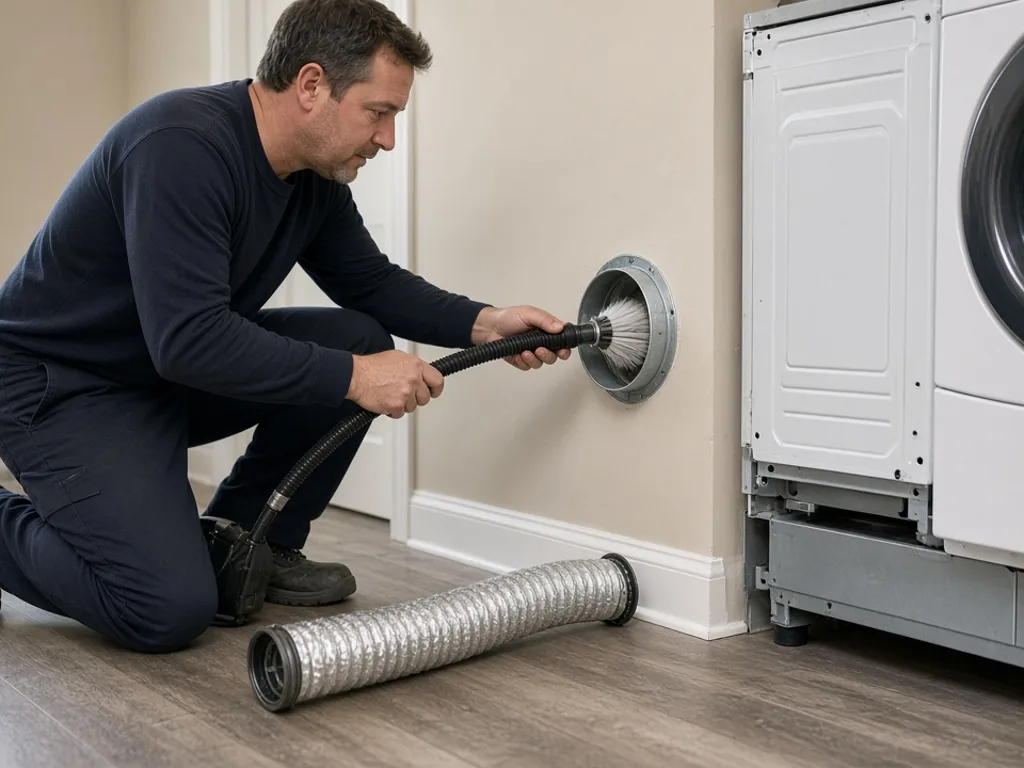
Vacuum the first section of each vent. With the register off, a vacuum hose can reach the boot, the short section right behind the grille, where a lot of debris collects. The EPA recommends a high-efficiency (HEPA) vacuum or the highest-efficiency bags your vacuum can take.
Vacuum return grilles. Returns pull household dust toward the filter. A brush attachment over the face of the grille every few weeks helps.
Protect the system during projects. The EPA recommends sealing supply and return registers and not running the system during dusty work like drywall sanding.
What's harder than it looks
Beyond the first foot or two, DIY gets difficult:
- Reach. Most of your ductwork runs through walls, floors, ceilings, a basement or an attic. Household vacuums and short brushes don't reach far.
- Suction. Pulling loosened debris out of a long run takes much stronger suction than a household or shop vacuum provides. Without it, brushing can just move dust deeper into the system or knock it loose so it blows into rooms later.
- Flex duct. Flexible ductwork can be torn by stiff brushes or drill-driven tools.
- Returns. Return ducts are often large and connect to the furnace in ways that are hard to access safely.
- Equipment risk. Pushing tools toward the furnace can damage parts you shouldn't be touching. Furnace components are HVAC contractor work.
That doesn't mean DIY brush kits are useless. It means they're best for short, accessible sections, not a whole-house cleaning.
What not to do yourself
- Don't spray cleaners, disinfectants or fragrances into ducts. The EPA advises understanding the pros and cons before any chemical is applied inside ducts, and notes that no biocides are registered for use in internally insulated ducts.
- Don't try to clean what might be mold. The EPA says only an expert can confirm whether visible growth is mold, and that wet or moldy insulated duct material should be replaced, not cleaned.
- Don't disassemble the furnace or air handler. That's HVAC contractor territory.
- Don't vacuum up rodent droppings. Public health guidance advises against sweeping or vacuuming them dry.
When a professional cleaning makes sense
The EPA doesn't recommend duct cleaning on a fixed schedule. It suggests considering it when there's excessive dust or debris in the ducts, particles blowing out of supply registers, or vermin in the system. Some dust in ducts is expected in any home.
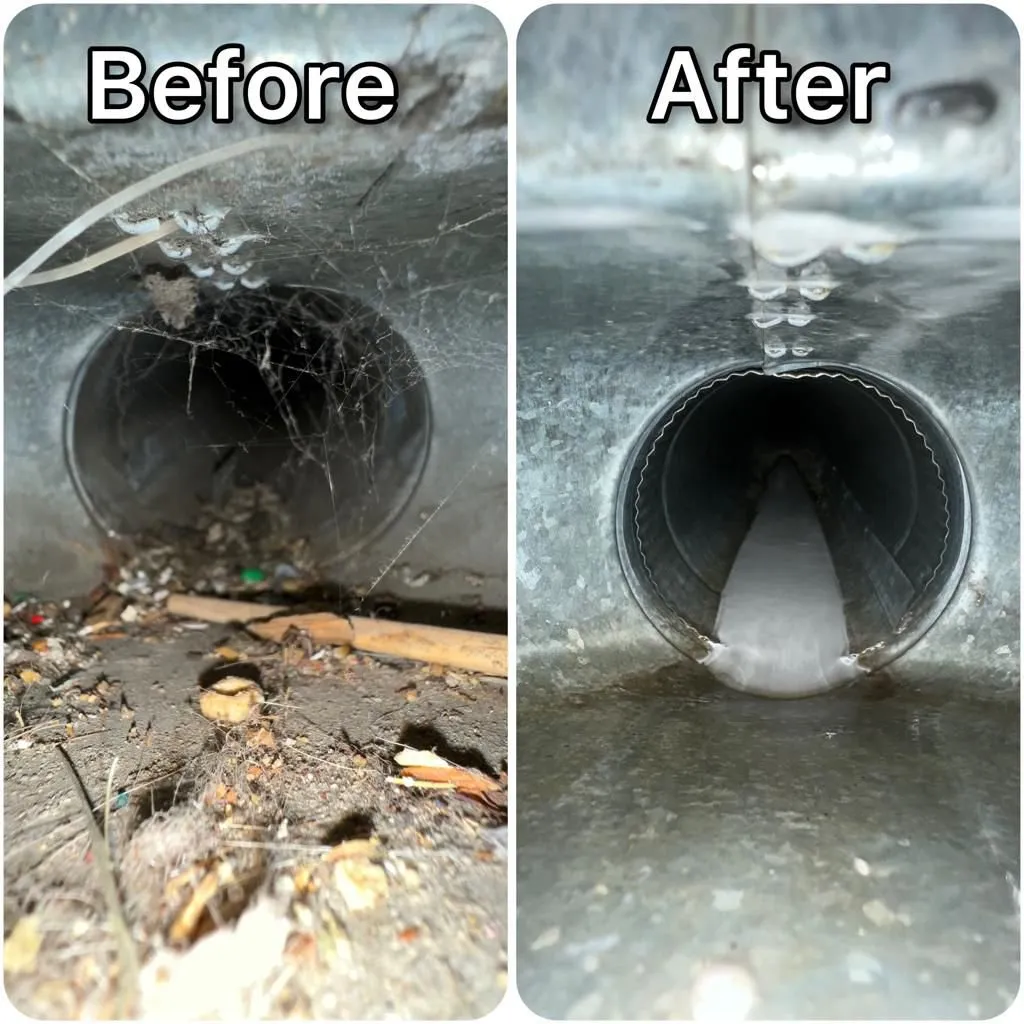
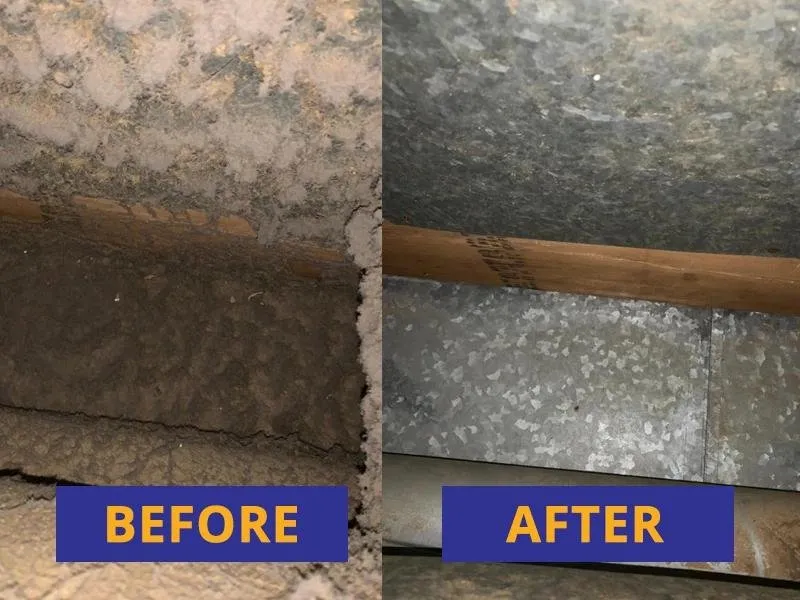
If you see any of those, a professional cleaning reaches what DIY can't. Our air duct cleaning covers the supply and return ducts and the registers, using rotating brushes to loosen buildup along the full length of each run and a HEPA-filtered vacuum to pull it out of the system. It's $199 for up to 10 vents, plus $29 for each additional vent. For a couple of problem runs, deep duct cleaning is $59.99 per vent.
A realistic routine
- Every one to three months: change or check the filter, per the manufacturer.
- A few times a year: wash registers, vacuum boots and returns.
- During projects: seal registers and keep the system off.
- When there's a reason: book a professional cleaning.
Not sure if we cover your neighborhood? Check our service areas.
If your DIY routine isn't keeping up, request a free estimate from American Air Duct Cleaning of Northglenn. We'll take a look and tell you honestly whether a cleaning is needed.
Sources
- Should You Have the Air Ducts in Your Home Cleaned?, U.S. EPA, last updated February 19, 2026