Birds Nesting in Your Dryer Vent? What to Do
Chirping behind the laundry room wall or straw poking out of the vent hood? Why birds pick dryer vents, how to handle it and how to keep them out.
If you've heard chirping from behind the laundry room wall, or spotted twigs and grass sticking out of the vent on the side of your house, you're not imagining it. To a small bird, a dryer vent hood looks like a sheltered, warm cavity with a convenient opening. Around Northglenn, Thornton and Westminster, that's a common springtime discovery.
A nest in the vent is more than a nuisance. Here's why it matters, how to handle it and how to keep it from happening again.
Why birds choose dryer vents
Dryer vent hoods check a lot of boxes for nesting birds:
- They're sheltered from wind and rain.
- They're often warm, especially after the dryer runs.
- The opening is about the right size for small birds.
- A broken, stuck-open or missing flap makes getting in easy.
The U.S. Fire Administration notes that birds and small animals can nest in dryer vents.
Why a nest is a problem
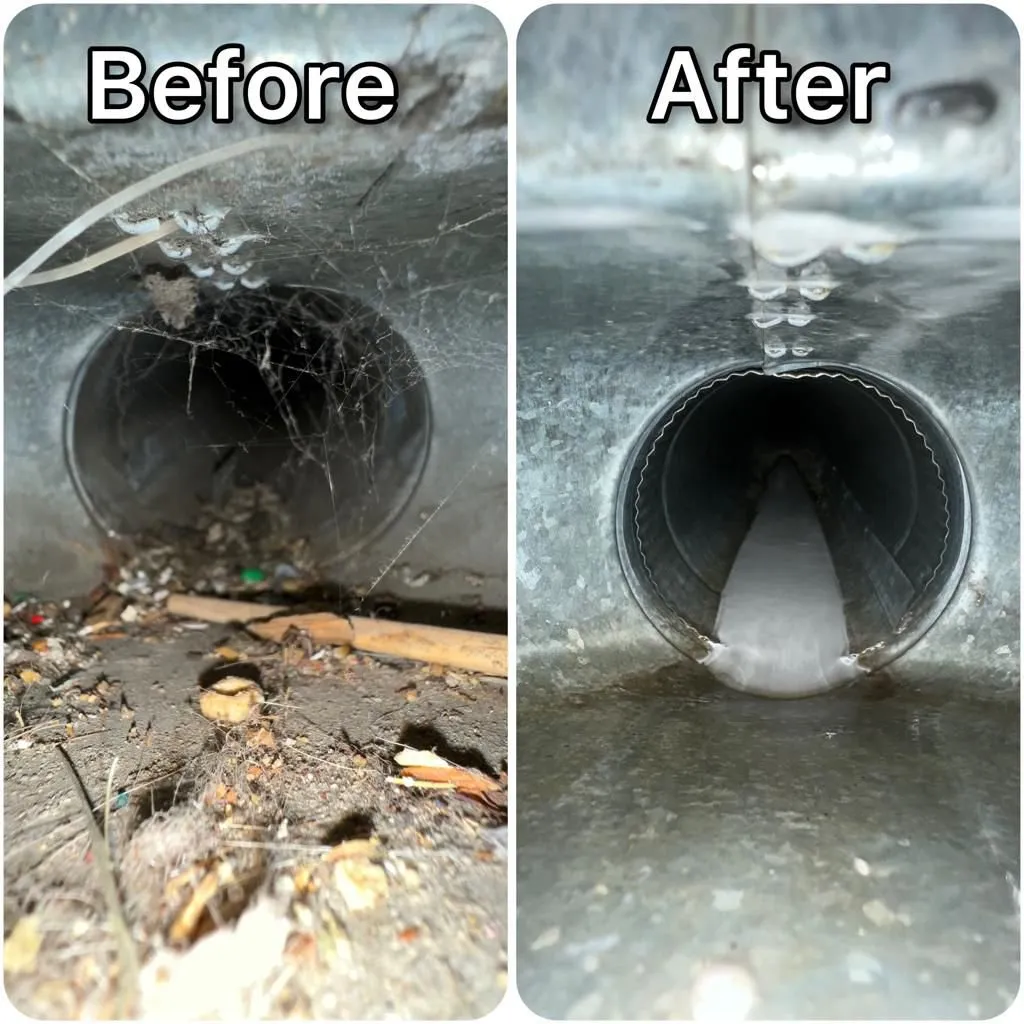
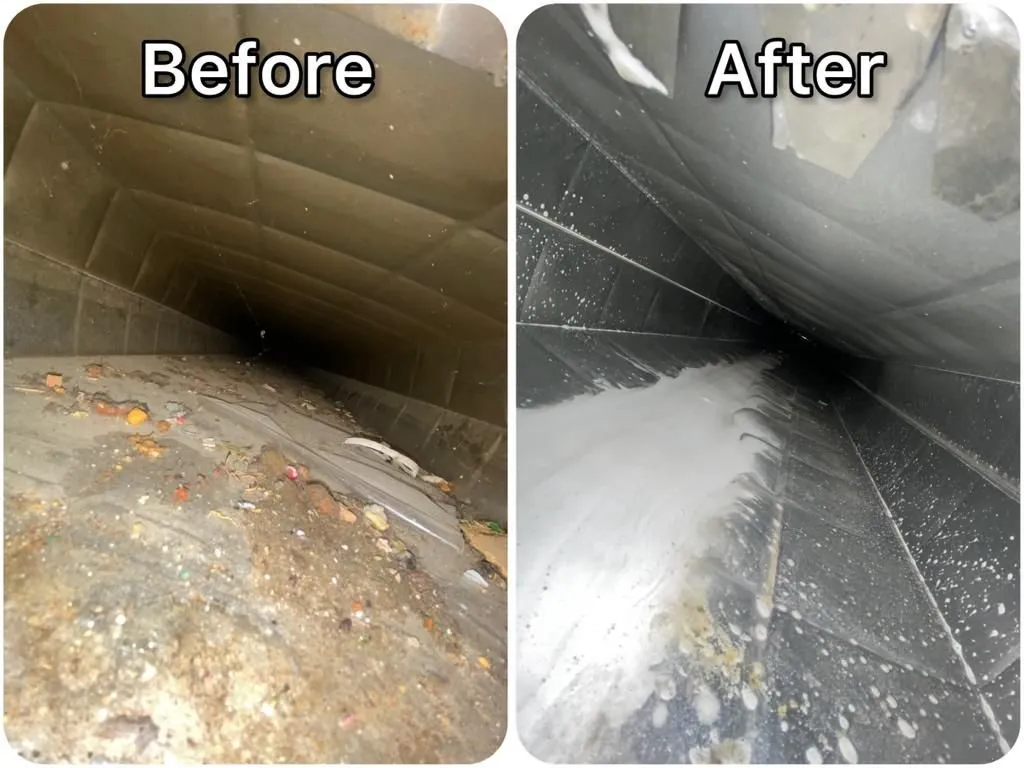
A nest is a blockage. Grass, twigs, feathers and lint packed into the hood or the first few feet of duct reduce airflow. When air can't leave, the dryer runs hotter and clothes take longer to dry. The USFA lists both as warning signs of a blocked vent.
Other signs a nest may be the cause:
- Chirping or scratching behind the wall near the dryer
- Nesting material visible at the hood
- Birds flying in and out of the vent
- A flap that won't close, or won't open when the dryer runs
- Feathers or debris behind the dryer
If you have a gas dryer, a blocked vent also affects how combustion gases leave the house. Make sure your carbon monoxide alarms are working. The Consumer Product Safety Commission recommends them on every level of the home and outside sleeping areas.
What to do if you find a nest
Stop using the dryer until the vent is cleared. Running it can push more heat into a blocked duct.
Check whether the nest is active. If there are eggs or young birds, be careful. Many native birds are protected under the federal Migratory Bird Treaty Act, which limits disturbing active nests of protected species. Some common nesters, like house sparrows and European starlings, are not covered, but it can be hard to tell which bird you have. If you're not sure, contact Colorado Parks and Wildlife or a wildlife control professional before removing an active nest.
Once the nest is inactive or legally removable, clear the hood and have the duct cleaned. Nest material often extends farther into the vent than you can see or reach, and a partial clearing can leave a clump that catches lint.
Don't spray chemicals into the vent to drive birds out. They can leave residue in the duct, and they don't solve the opening problem.
How to keep birds out
Prevention comes down to the hood:
- Fix or replace a damaged flap. A flap that closes when the dryer stops is the first line of defense.
- Use a proper dryer vent hood designed for your vent size and location.
- Skip the wire screen. It sounds like a simple fix, but the USFA advises against screening over the dryer vent opening because it catches lint and creates its own blockage.
- Keep the hood clean. Wipe away lint around the opening so you can spot new debris or nesting quickly.
- Check it each spring. A quick look during nesting season can catch the problem early.
Replacing a hood is usually a handyman or contractor job, especially if the vent is high on a wall or on the roof.
Getting the vent cleaned
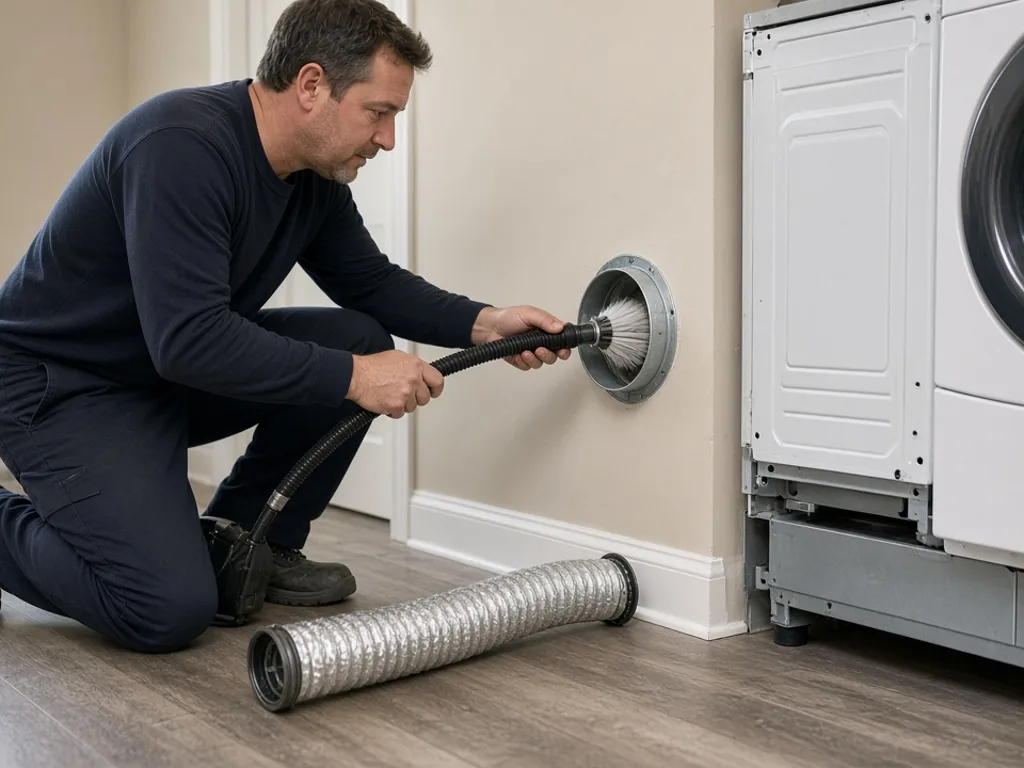
Our dryer vent cleaning is $99 for up to 10 feet of vent, plus $15 for each additional foot. The inspection is included. We clean the run through to the exterior hood, remove debris we find along the way and check that the outside flap opens and closes. If the hood is damaged or missing a flap, we'll tell you so you can have it replaced.
If you've had a nest, or you're seeing the warning signs, request a free estimate from American Air Duct Cleaning of Northglenn. For more on what to watch for, see our post on dryer vent fire warning signs.
Sources
- Clothes Dryer Fire Safety, U.S. Fire Administration, accessed October 22, 2026
- Clothes Dryer Fires in Residential Buildings (2008-2010), Topical Fire Report Series Vol. 13, Issue 7, U.S. Fire Administration, August 2012
- Carbon Monoxide Fact Sheet, U.S. Consumer Product Safety Commission, accessed October 22, 2026
- Migratory Bird Treaty Act of 1918, U.S. Fish & Wildlife Service, accessed October 22, 2026